 India
India









Ensuring Lift Longevity: The Essentials of Regular Elevator Maintenance
Regular maintenance is pivotal for the longevity and reliable operation of any elevator system. Neglecting regular lift maintenance not only leads to malfunctions but can also incur avoidable, costly repairs. Research highlighted in the Journal of Building Engineering points out that factors like inadequate safety devices, deviations from building codes, and the age of parts and components significantly contribute to the diminished lifespan and increased repair costs of elevator systems. Regular maintenance serves as a proactive measure to prevent these issues.
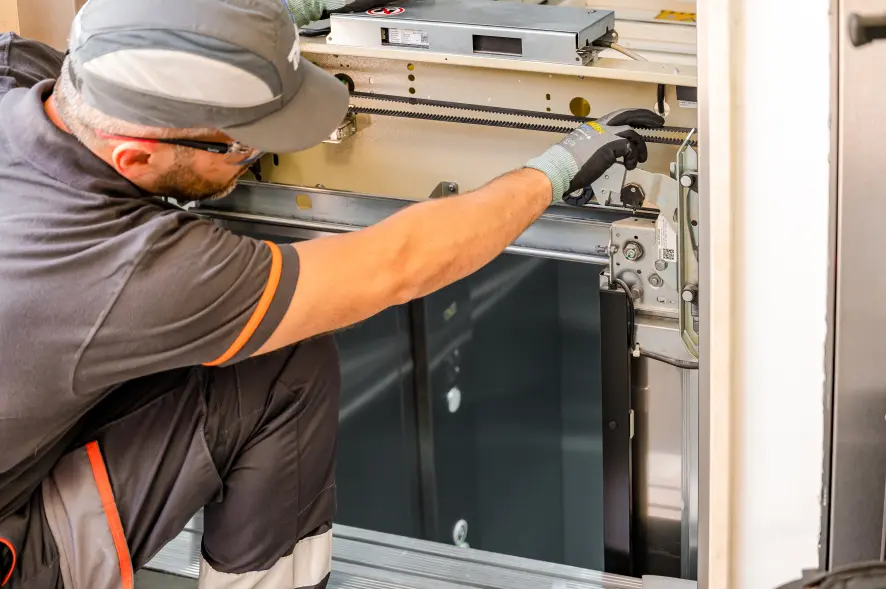
Determining the optimum frequency for elevator maintenance depends on several factors, including:
Adhering to the maintenance intervals recommended by an original equipment manufacturer (OEM) helps pre-empting breakdowns. At TK Elevator we provide elevator maintenance services for all major lift brands. Our services include: regular elevator maintenance, inspections, elevator repair services and emergency services.
The usage frequency of a lift is directly correlated with the frequency of service intervals. Commercial or public elevators operated in train or metro stations with high usage typically require monthly check-ups. In contrast to that, residential elevators in buildings with up to six floors that are used less than 6,000 times per month. The actual service requirements of the lift in your building may differ and is also affected by other factors, such as the type of elevator that is being used, or how old the elevator is.
A "bathtub curve" concept applies to elevators: New lift installations and older systems are more likely to experience issues and to require more frequency maintenance. Lifts tend to be most reliable during the middle period of their lifecycle: between the initial phase of use and the end-of-life stage that precedes a more comprehensive elevator modernization.
Elevators in industrial settings or commercial buildings, which often carry heavier loads or travel longer distances; -goods and materials that are being transported may also interfere with the elevator door operations. As a result, these types of elevators often have different maintenance requirements as compared to elevators used in residential buildings.
Hydraulic and traction elevators have distinct designs and therefore, different maintenance needs. Hydraulic lifts operate without a counterweight and use a telescopic piston mechanism to move the elevator cabin. Traction elevators on the other hand utilize a counterweight system (related blog post: Introduction to Different Types of Lifts). These design and operational differences result in the need for tailored maintenance approaches recommended by elevator manufacturers.
Regular lift maintenance offers tangible benefits:
- Enhanced Safety: Regular checks ensure the safety and reliability of your elevator, minimizing the risk of accidents.
- Reduced Downtime: By preventing major malfunctions, regular maintenance keeps elevators operational, avoiding inconvenient outages.
- Cost Savings: Proactive maintenance can prevent costly overhauls and replacements, offering significant long-term financial benefits. (How Much Electricity Does a Lift Use?).
Elevator maintenance is a critical aspect of building management and can help extend the service life of an elevator. It contributes to the safety and comfort of tenants and visitors. Our professional service teams across the country are ready to help building owners and managers in India optimize the performance of their lifts, as well as to maximize elevator lifespan. Contact us today to learn how we can best support you.
Q: How does the "bathtub curve" concept apply to an elevator's lifecycle?
A: In elevator maintenance, the "bathtub curve" concept dictates that newly installed lifts and much older, aging systems are the most likely to experience issues and require frequent maintenance. Conversely, elevators resting in the middle of their lifecycle generally operate with peak reliability.
Q: Does a hydraulic elevator require a fundamentally different maintenance strategy than a traction elevator?
A: Yes. Hydraulic lifts operate using a telescopic piston mechanism without a counterweight, whereas traction elevators rely heavily on a counterweight system. Because of these distinct mechanical designs, each type requires a highly specialized and tailored maintenance approach recommended by the manufacturer.
Q: Why do industrial and commercial elevators require more specialized maintenance plans?
A: Elevators operating in industrial or commercial environments frequently carry significantly heavier payloads and travel longer vertical distances. Additionally, the constant transportation of heavy goods and materials can physically interfere with the elevator door operations, necessitating a more robust and customized maintenance strategy.
Q: Can TK Elevator service and maintain lifts that were installed by other manufacturers?
A: Yes. TK Elevator provides comprehensive elevator maintenance services for all major lift brands, not just their own. Their offering covers routine inspections, complex repair services, and rapid-response emergency support.
Q: How does routine servicing prevent major capital expenditures (CAPEX) in the long run?
A: Proactive maintenance acts as a financial safeguard. By consistently identifying and addressing minor wear and tear, property owners can prevent cascading mechanical failures, thereby avoiding highly expensive full-system overhauls and complete equipment replacements.
Q: What are the primary causes of a diminished elevator lifespan according to building engineering research?
A: Research published in the Journal of Building Engineering identifies that inadequate safety devices, ongoing deviations from modern building codes, and the continued use of aging parts are the leading factors that diminish an elevator's lifespan and drastically inflate repair costs.


Key Takeaways
Why is regular elevator maintenance essential for commercial buildings?
Neglecting routine service accelerates component wear and leads to avoidable, highly expensive repairs. Consistent maintenance is a proactive measure that identifies safety device issues and code deviations before they cause major breakdowns.
How does daily passenger traffic dictate service intervals?
Usage frequency is a primary factor for maintenance schedules. High-traffic commercial lifts in public hubs demand rigorous monthly check-ups, whereas lower-traffic residential units (under 6,000 trips a month) require less frequent servicing.
Does the operating environment impact elevator wear and tear?
Yes. Lifts operating in industrial or commercial settings endure heavier payload capacities, longer travel distances, and goods transportation that can disrupt door mechanisms, necessitating a customized, robust maintenance approach.
How does the specific type of lift alter our facility's maintenance plan?
Hydraulic lifts (utilizing telescopic pistons) and traction elevators (utilizing counterweights) possess vastly different mechanical designs. Each unique system requires a highly specialized maintenance strategy dictated by the original equipment manufacturer (OEM).