 India









What Safety Checks Are Mandatory During Elevator Maintenance in India?
For building owners and property managers across India, elevators are no longer a luxury. They are an essential part of modern infrastructure. Whether in high-rise residential apartments, bustling commercial complexes, or large corporate offices, elevators are central to keeping people and businesses moving smoothly.
India’s elevator industry is growing rapidly, with thousands of new lifts installed each year. For building owners and management companies in India, ensuring elevators receive proper lift maintenance services and undergo appropriate safety checks is a key part of asset management.
This blog provides a detailed overview of important lift safety checks and why they matter. It details what regulatory requirements must be met in India, and why choosing the right maintenance partner is so important. This will provide you with a clear, actionable understanding of how to safeguard your building’s occupants while ensuring compliance and maximizing operational uptime.
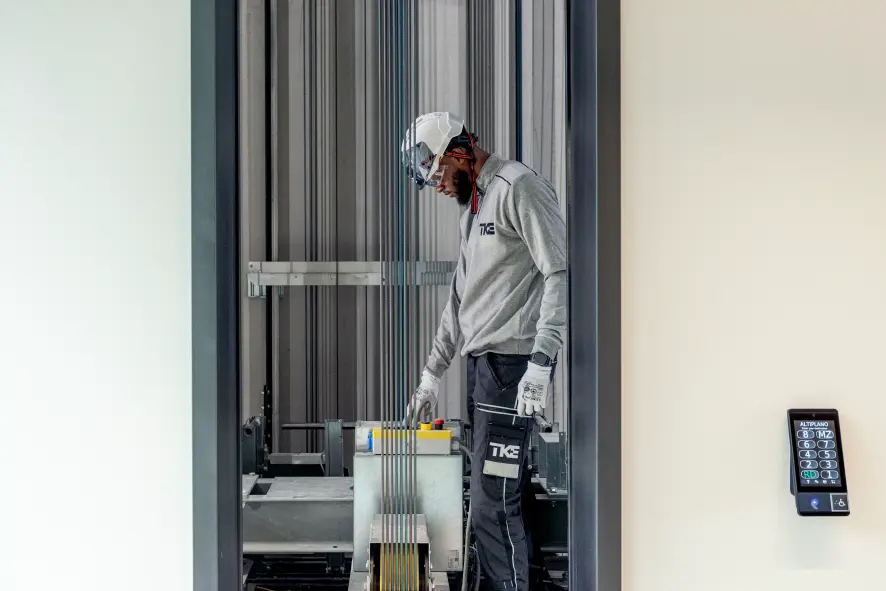
Legal & Regulatory Compliance in India
Elevator maintenance in India is not just a matter of best practice but a matter of law. Several frameworks govern the inspection, operation, and upkeep of lifts and escalators.
The Bureau of Indian Standards (BIS) has set forth critical codes such as:
- IS 17900 (Part 1): 2022 (Safety Rules-Lifts for the Transport of Persons and Goods)
- IS 17900 (Part 2): 2022 (Design Rules, Calculations, Examinations and Tests of Lift Components) & local state rules
In addition to BIS codes, many states such as Maharashtra, Delhi, Karnataka, and Tamil Nadu have their own Lift Acts and inspectorate requirements. For example, in Maharashtra, building owners must obtain an annual fitness certificate issued by a government-authorized inspector after a thorough safety check. Think of it as a yearly health check for your building’s elevators.
Non-compliance can have severe consequences. Not only can it lead to hefty fines and the suspension of lift licenses, but in the event of an accident, owners and management companies may be held legally liable for negligence. Insurance claims can also be denied if it is proven that mandatory safety inspections were skipped.
In short, adhering to safety checks is both a legal obligation and a moral responsibility for any property stakeholder in India.
Why Safety Checks Matter for Building Owners & Managers
When discussing elevator safety checks, many property managers think only in terms of compliance. But the implications go far beyond that.
- 1. Protecting Lives: Elevators carry thousands of people daily. A single malfunction could trap passengers or worse, result in injuries. Regular checks ensure reliable safety systems are in place.
- 2. Financial Protection: The cost of preventive maintenance is negligible compared to potential accident-related compensation, which can run into lakhs of rupees per incident.
- 3. Tenant Trust & Retention: For commercial complexes, malls, and premium residences, safe and reliable elevator systems are directly tied to customer satisfaction and retention.
- 4. Avoiding Downtime: No tenant wants to hear ‘stairs only’ during peak hours. An elevator out of service during peak hours creates chaos, delays, and dissatisfaction. Preventive safety checks reduce breakdowns, ensuring continuous operations.
One small preventive fix today can avoid hours of downtime tomorrow. By prioritizing mandatory safety checks, building owners and managers send a strong message: the safety, comfort, and trust of their tenants and visitors come first.
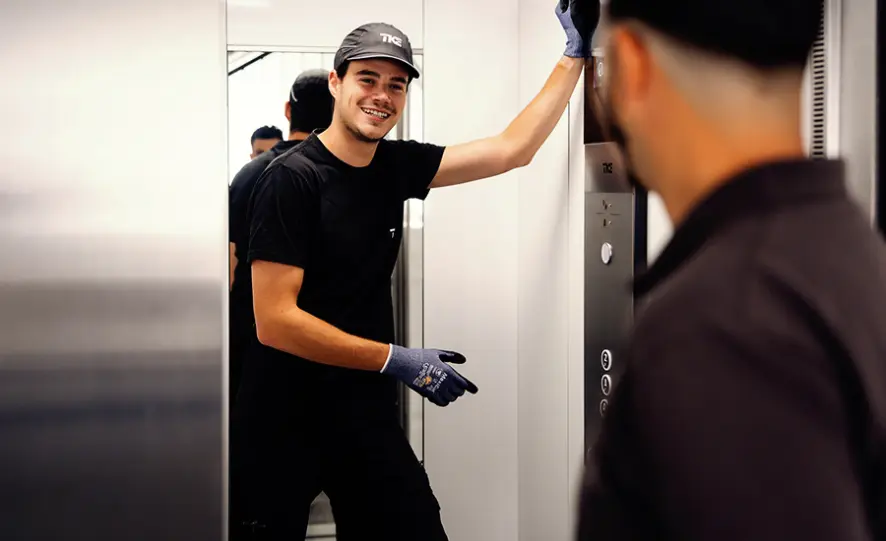
Inside the Car
The elevator car is where users spend the most time, making its safety checks highly visible and directly tied to user confidence.
- Lighting & Indicators: Adequate lighting is crucial, not just for comfort but also for emergency situations. Emergency lighting systems must function independently in case of power failure. Floor position indicators and direction arrows must remain accurate and legible. Imagine being stuck in a dark car with no emergency light—it’s both unsafe and unsettling.
- Alarm & Communication Systems: Modern elevators are required to have a working intercom or phone system. This ensures that if passengers are trapped due to a malfunction, they can contact building security or emergency services immediately.
- Handrails, Flooring, and Ceiling: Structural integrity must be inspected to avoid hazards caused by wear and tear. Loose flooring, broken panels, or unstable ceilings compromise both safety and aesthetics.
- Door Safety Sensors: One of the most critical in-car checks, sensors must be tested to ensure that doors reopen immediately if an obstruction is detected. Non-functioning sensors are a common cause of injuries in outdated elevators.
In the Pit
Often ignored by building staff, the elevator pit is the foundation of safe operations.
- Cleanliness & Drainage: The pit must be free of debris, water seepage, or oil accumulation. Standing water can cause corrosion, electrical faults, or even create a fire hazard. A neglected pit is one of the most common causes of elevator shutdowns.
- Stop Switch & Lighting: A functional stop switch and sufficient lighting are required for technician safety during inspection or repair work.
- Car & CWT Buffers: Hydraulic buffers and spring buffers absorb the elevator’s impact in emergencies. They must be inspected for oil levels, leaks, or signs of deterioration.
- Pit Ladder: For technician access, ladders must be anti-slip, stable, and securely attached when in use. A broken or missing ladder is a serious safety violation.
Think of the pit as the foundation of a house—if it’s weak, everything above is at risk.

Machine Room
The machine room houses the heartbeat of the elevator system. Without regular inspections here, breakdowns are almost inevitable. For most users, the machine room is out of sight, but it should never be out of mind.
- Access Controls: The machine room must be secure, accessible only to trained personnel. Unauthorized access often leads to accidents or tampering.
- Fire Safety: Fire extinguishers, smoke detectors, and automatic cut-offs are mandatory. Electrical panels must be installed with fire-rated enclosures.
- Ventilation & Lighting: Adequate airflow prevents overheating of machinery, while proper lighting ensures safe working conditions for technicians.
- Motor & Drive Systems: Motors should be checked for vibration, unusual noise, and overheating. Misalignment can cause efficiency loss and long-term damage.
- Control Panel: The nerve center of the elevator, panels must be kept dust-free, with secure, tight wiring. Burn marks or corrosion are early warning signs of risk.
Hoist Way
The vertical passage where the elevator travels is equally critical. The hoist way is like the elevator’s highway. Any bumps here affect every ride.
- Rails & Brackets: Must be properly aligned, lubricated, and free of rust. Misaligned rails increase friction, causing jerks and wear.
- Counterweights: Should move smoothly without obstruction. Balance must be maintained for consistent operation.
- Cables & Ropes: Inspected for fraying, uneven tension, or signs of rust. Cable testing often reveals the first signs of major failures.
- Safety Gear: Emergency braking systems and safety gear must be tested regularly. In the event of freefall, these are the last line of defense.
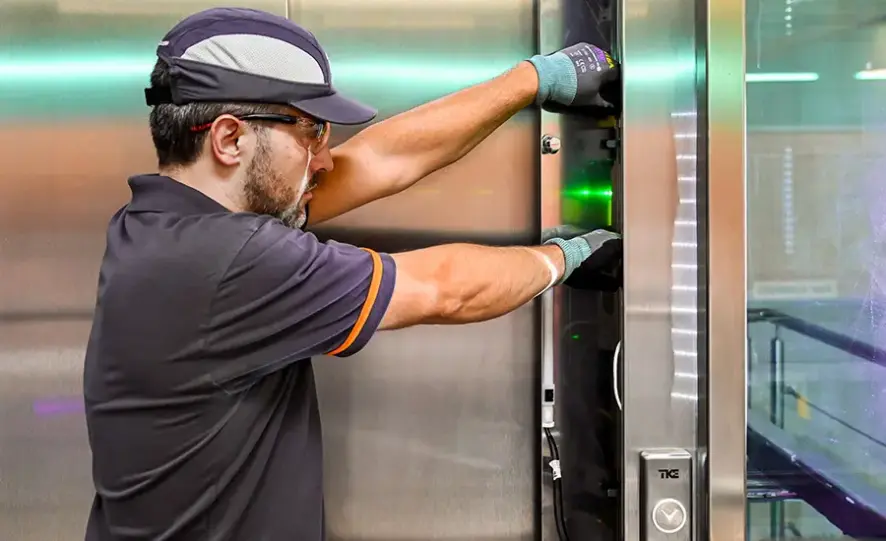
Types of Lift Checks to Conduct
Elevator inspections extend beyond the visible. Technical checks are essential to guarantee safe, uninterrupted operation.
Panel Condition
Panels must remain free from dust, moisture, or corrosion. Dust might seem harmless, but in panels, it’s often the start of major faults. Clear labeling is necessary for technicians to quickly identify components.
Electrical Connections
Loose or overheated connections are one of the most common causes of malfunctions. Regular tightening and insulation testing ensure electrical safety.
Power Components
Breakers, relays, and transformers must be checked for stability and capacity. Voltage fluctuations in India can be severe; protective measures are critical.
Control Components
Switches, relays, and contactors must be responsive and free of excessive wear. Faulty controls are often the root cause of breakdowns.
Electronic/Microprocessor Components
Elevators increasingly depend on software-based systems. Firmware updates, recalibration of sensors, and diagnostics are essential.
Safety Circuits
Emergency stop circuits and redundant safety features must be tested to ensure rapid fail-safe activation.
Door Closing Mechanism
Smooth, obstruction-free door operation prevents injury. Sensors and closing speeds must comply with BIS standards.
Role of Technology in Modern Elevator Maintenance
Elevator maintenance is no longer limited to manual inspections. With IoT and AI-powered predictive maintenance, the industry is evolving rapidly. If your car gets predictive alerts, why not your elevator?
- IoT Sensors: Monitor real-time data on vibration, temperature, and motor performance, allowing technicians to identify issues before they become breakdowns.
- Remote Monitoring: 24/7 systems that alert technicians instantly if an elevator malfunctions.
- Predictive Analytics: Using AI to forecast when a component will fail, reducing unplanned downtime.
TK Elevator is among the leaders adopting such technologies, offering building owners peace of mind through smarter, faster, and safer maintenance solutions.
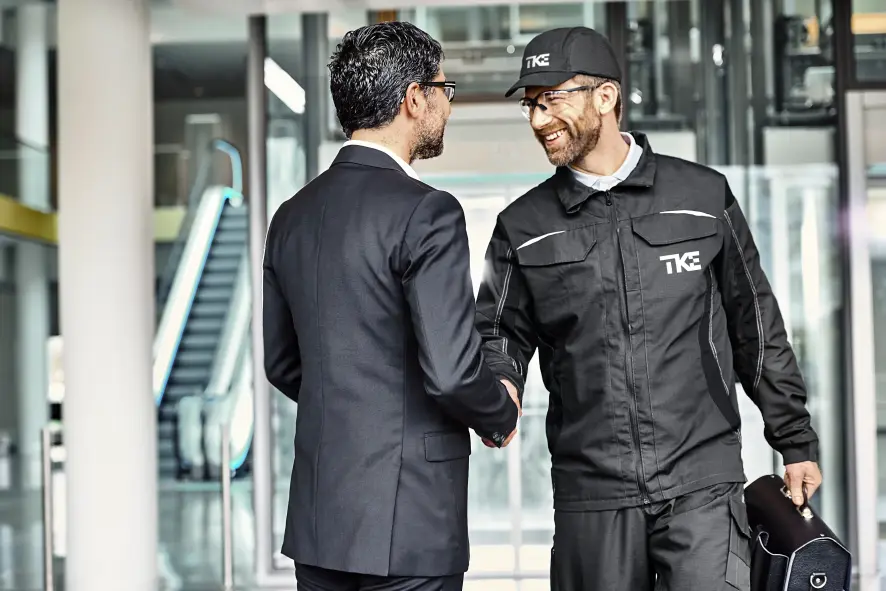
Recap
Mandatory elevator safety checks in India cover every part of the system: the car, pit, machine room, hoist way, and all technical components. These checks are backed by BIS standards and state regulations and protect lives, prevent downtime, and reduce liability for building owners and managers. Skipping even one check can undo years of safe operation.
Still unsure? When in doubt, call your service provider and ask for a checklist.
Choosing the Right Maintenance Vendor in India
While knowing the checklist is important, selecting the right vendor is even more critical. Not all service providers are equal.
When evaluating vendors, building owners should ask:
- Are they licensed under state Lift Acts and certified by BIS standards?
- Do they use genuine spare parts?
- Is 24/7 emergency support available?
- Do they offer comprehensive AMC packages covering both preventive and breakdown maintenance?
Reputable vendors will be transparent about parts, timelines, and costs.
At TK Elevator, we not only provide compliant expertise across all major Indian metropolises and regions, but also provide advanced technology solutions. For property owners, this means fewer risks, faster response times, and long-term reliability. Get in touch with our team in India to learn how we can best support you.
FAQ
Q: How often should elevators be serviced in India?
A: While many states mandate annual fitness certification and require major checks to be conducted quarterly, the frequency of routine maintenance inspections is typically determined by the elevator manufacturer (OEM) rather than specific regulations.
Q: What government regulations apply to elevator safety in India?
A: The BIS codes (IS 14665, IS 14671, IS 16843) and state-specific Lift Acts govern maintenance and inspections.
Q: Can older elevators be modernized to meet safety standards?
A: Yes. Modernization options include replacing safety circuits, updating door sensors, and adding communication systems. At TK Elevator, we provide comprehensive elevator modernization services.
Q: What happens if safety checks are skipped?
A: Skipping checks risks accidents, voids insurance coverage, and can result in fines or loss of lift license.
Q: Are AMCs mandatory for elevators in India?
A: While not always legally mandatory, most states strongly recommend AMCs, and insurance companies often require them.
Q: What certifications should my elevator vendor have?
A: In India, vendors must be licensed under the local Lift Act, with technicians certified for electrical and mechanical safety.
Q: Do residential and commercial lifts have different checklists?
A: The core checks are similar, but commercial lifts may require additional load testing and traffic management features.
Q: How long does a lift service visit usually take?
A: A routine inspection takes 1–2 hours, while comprehensive checks or repairs may require half a day or more.


