
Combining new technology with the tried and tested


Elevator systems consist of many components that can be replaced and modernized surprisingly easily. TK Elevator is your partner for adaptive modernization for all brands and manufacturers.

More safety and comfort, but lower running costs


Adaptive modernization measures make elevators safer, more comfortable and reduce operating costs. Our adaptive modernization concepts enable high availability and economic efficiency in equal measure.

We can match sustainability with profitability


Every investment in a longer service life for your elevator not only saves resources, but also keeps your bottom line in check. The life of a passenger or freight elevator can be extended by decades.

The top 6 reasons for elevator modernization

Combining existing values with new technologies in a sensible way, adapted to your needs. For us at TKE, that's what makes a successful elevator modernization. The goal is to find an optimal solution for the existing building and the existing transport system, no matter the age, manufacturer and type.

And we happen to have just the right concept. That’s what we call Adaptive Modernization by TK Elevator .
The six most common reasons for elevator modernizations are Safety, Performance, Aesthetics and design, Comfort, Energy efficiency and Digitalization – or simply: S P A C E D. Which aspect should have priority depends entirely on the mobility system and its technical condition, the building and the users. After an in-depth analysis with your TK Elevator elevator modernization consultant, targeted priority measures can be set from one or more of the six S P A C E D categories.
From safety to energy efficiency to digitalization: Where to benefit from elevator adaptive modernization
Safety

Elevators are one of the safest means of transport. Nevertheless, we are constantly developing new technologies that make elevators safer for both passengers and maintenance technicians. A comparison with the state-of-the-art is usually necessary after the first decades of operation. Sometimes, safety-related elevator updates are also required by law and obligates elevator operators to carry out modernization measures.

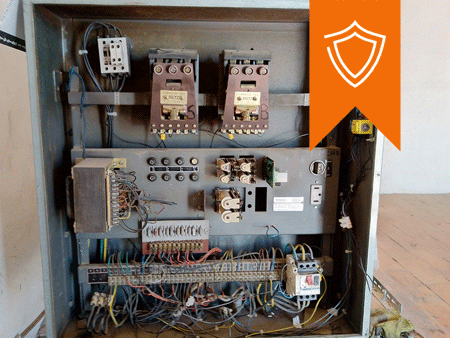
Typical measures improving safety include: Renewal of the controller , rope replacement , elevator door conversion (manual > automatic) , emergency call system with cellular connectivity , retrofit of light curtains in elevator doors .

Performance

Elevator controller, drive and doors: these are the determining factors of the transport capacity performance of an elevator. To get passengers to their destination faster and with minimal waiting times, modern elevator systems offer considerably more possibilities for fine-tuning, while reducing unnecessary trips. When it comes to the elevator drive replacement, it is rarely a matter of increasing speed, but rather more efficient use of power.

Performance-enhancing modernizations include: Renewal of the drive and frequency converter , renewal of the controller , door drive .

Aesthetics & Design

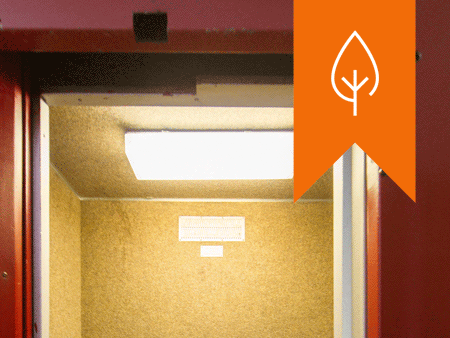
Modernizing the elevator cabin is more than "just" renewing the wall cladding. A retrofitted mirror conveys greater spatial proportions, and converting the elevator cabin light to LED not only "brightens up" the elevator ride, but also saves energy along the way. Buildings with updated facilities and well-presented communal areas can increase the property value by up to 20%.

A design-oriented modernization includes: Elevator cabin cladding (standard or custom-made) , control panels and buttons (also in connection with a new elevator controller) , floor (standard or locally supplied) , LED lighting , cabin mirror , handrail , etc.

Comfort

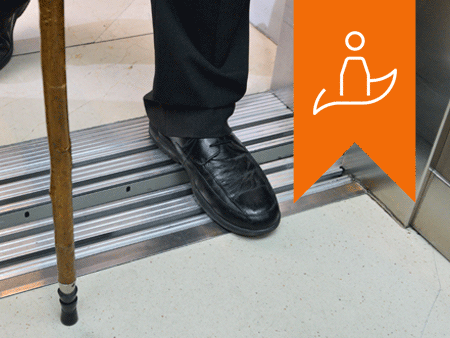
Modern elevator ride comfort means a quieter ride, but also smoother starts and precise levelling (no tripping hazards). New fixtures with integrated signaling displays make the ride more pleasant for users. With upgraded elevator controller technology, owners and passengers alike benefit from an extended range of functions. Last but not least: elevator comfort also means improved accessibility!

A comfort-improving modernization includes: Frequency-controlled drive , automatic instead of manual doors , cabin and landing control panels with signalling devices or displays , expanded controller functions such as parking stop, call cancellation , etc.

Energy Efficiency

You can save energy directly at the elevator with a new drive, a switch to LED lighting or a new controller with sleep or standby function. There is also a lot to be gained indirectly: a regenerative drive feeds electricity back into the grid, an intelligent shaft ventilation system prevents heated / cooled air from venting uncontrollably through the shaft.

An energy-saving modernization includes: Drive and controller renewal (with corresponding measurable benefits) , energy recuperation , LED lighting (cabin + shaft) , controlled shaft ventilation (saves HVAC energy).

Digitalization

With the Digitalization we improve the information that the customer can have the performance of the elevator (customer portal). Update that provides key connections for service and security. System renewal that ensures the system is digitally native. Full connectivity with APIs and wider systems integration.

What's what? Elevator components explained

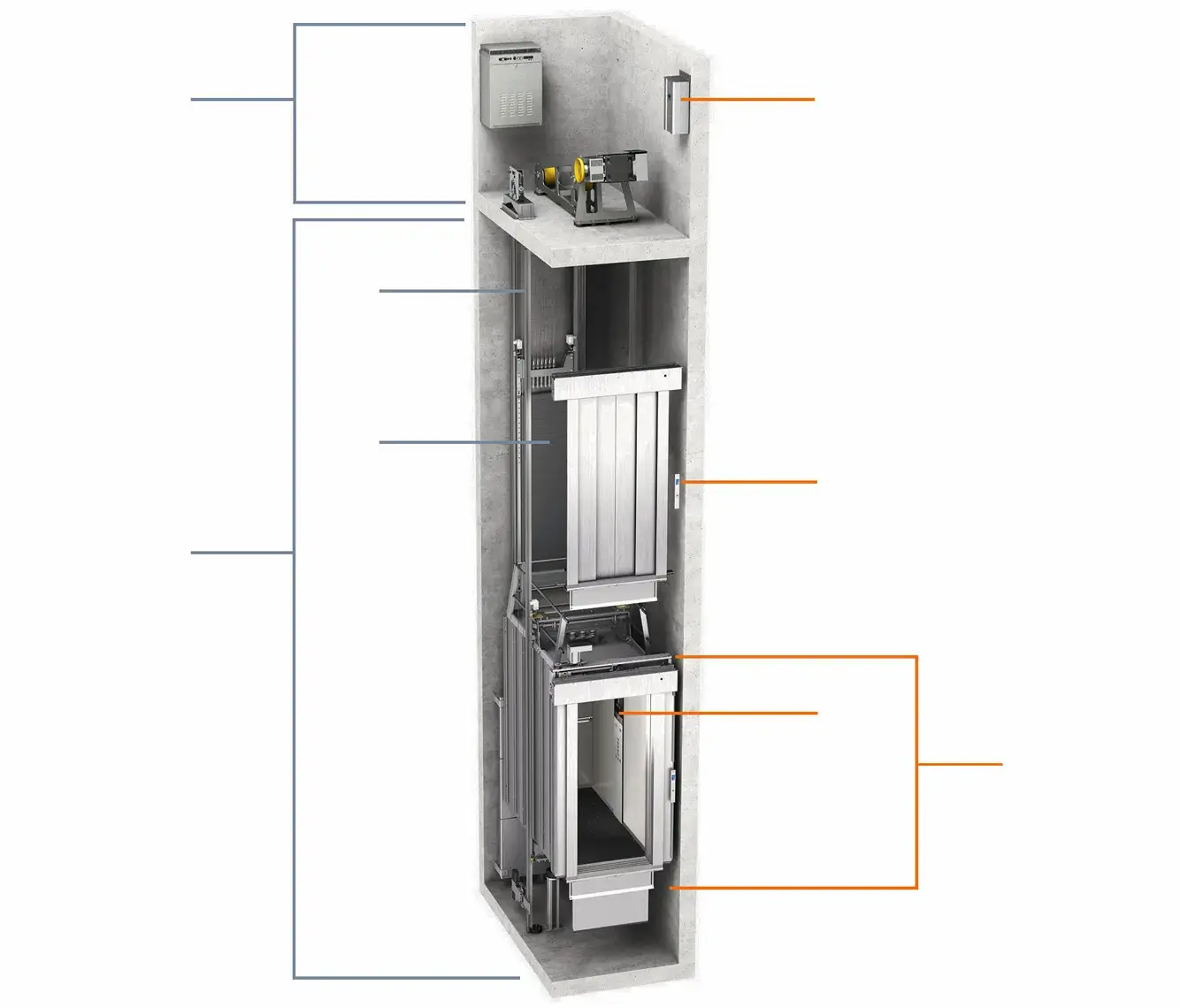
On the interactive image below, all components of an elevator system are explained in an understandable way, with the most important facts and elevator modernization benefits.

Click on the dots ■ to learn more about the different elevator components.

Controller
Modern controllers maximize safety as well as energy and operational efficiency.
The brain of your elevator. It processes all inputs from passengers and controls the movement of the cabin and doors. The controller is wired to all components and the various safety circuits of the whole system.

Machine / traction drive

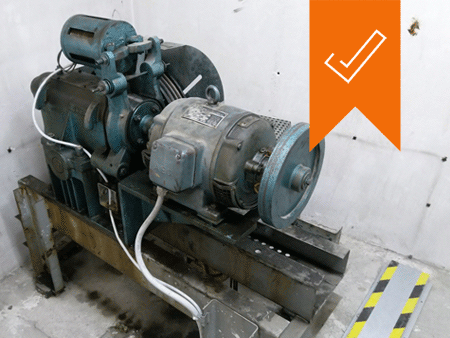
The heart of your elevator. An electric motor that “rolls” the ropes, thereby moving the cabin.

Frequency inverter
A new frequency inverter helps save energy.

Allows for continuous control of speed and acceleration, improving passenger comfort and reducing energy use.

Regenerative Drive

Device on modern elevators that captures the energy generated by a full cabin moving downwards or an empty cabin moving upwards and feeds it back into the building‘s electrical power grid. Can be retrofitted during modernization.

Traction system

A set of ropes which transmit the movement of the traction drive to the cabin and counterweight while supporting it.

Counterweight

Matches the cabin weight and helps to counterbalance it.

Guide Rails

T-shaped metal profiles fixed to the shaft, which guide the cabin and counterweight.

Safety Gear

A speed governor activates an emergency cabin brake if it exceeds a certain speed, ensuring safe and secure travel. The safety gear must be inspected and tested regularly.

Buffers

Located in the shaft pit and designed to stop a descending cabin by dissipating its kinetic energy.

Landing Door

The first part of the elevator doors that remain in the landing, fixed to the landing walls. Operated automatically on modern elevators or manually on older models.

Cabin Operating Panel (COP)

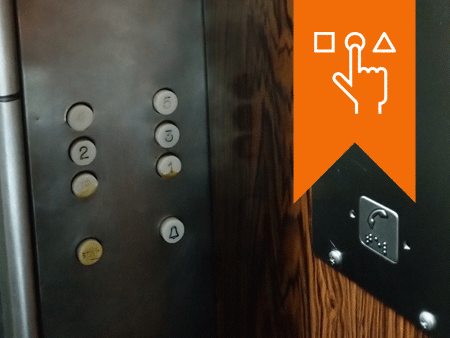
Information and control panel containing control elements (buttons, key switches, etc.) and information elements (displays, light and acoustic indicators). Updating the COP can increase accessibility and comfort.

Landing Fixtures

Passengers use the landing operating panel tocall the elevator. The landing indicator paneldisplays travel status and direction. An update can increase accessibility and passenger comfort.

Cabin

The cabin combines the structural walls, the underfloor and roof, standard elements like mirrors and handrails, as well as decorative features like special lighting and false ceilings.

24-hour Emergency Call System

Ensures 24-hour emergency connectivity for the elevator passengers and must be compliant with all legal requirements. State-of-the-art emergency call systems connect via cellular networks to ensure its availability and prevent connection errors.

Cabin Door

The component of the elevator doors that is attached to and moves with the cabin.

Door Drive

Electric motor that moves the cabin and landing doors. Upgrading to a modern door drive can increase safety, performance and reliability.

Elevator Shaft

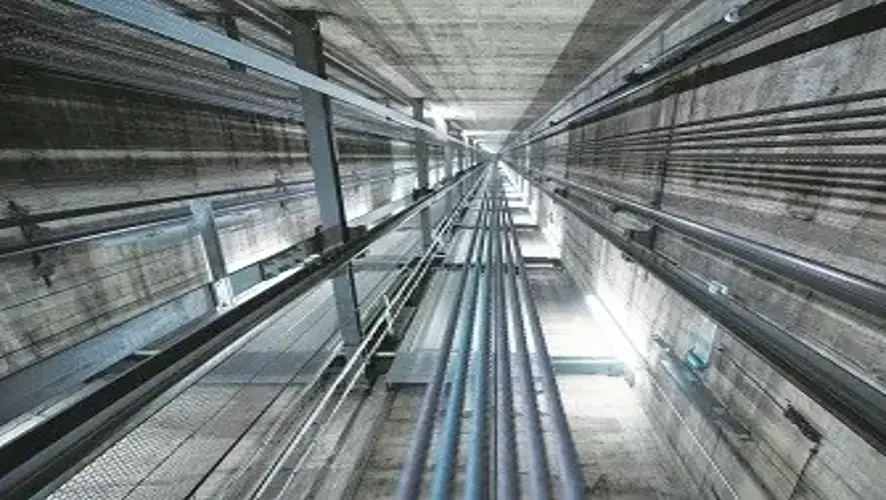
The elevator shaft is usually made of concrete, masonry or a metal/glass construction. The elevator rises and descends in the shaft, and all shaft components are attached to the walls. In machine room-less elevators, the drive is also located in the shaft (usually in the head, more rarely in the pit).

Machine room

For many decades, machine rooms were needed to house the drive and controller. In modern elevators, compact drives are usually located in the shaft. The controller, which is also more compact, can be placed in a landing within or next to the door frame. After modernization, the machine room can then be used for other purposes.

Does your elevator need a modernization? No matter whether your equipment comes from TK Elevator or from another company (Kone, Otis, Schindler etc.). We work on all types of mobility systems. Our local branches will be happy to advise you on your options after a non-binding system check.
Get in touch with a TKE modernization expert near you

Frequently asked questions about elevator modernization

How long does it take to update an elevator?

Depending on the project scope, the range for an update with component modernization lies between days and some weeks. Smaller retrofits may only take a few hours, whereas extensive upgrades that involve a new drive and controller, require a coordinated scheduling and pre-information of tenants.

No matter how extensive your planned measures may be, our modernization experts will always work out a detailed installation plan and offer consultation on accompanying measures to mitigate the impact of the elevator being taken out of service.

How much dirt and noise do I have to expect during an update modernization?

Elevator systems comprise of a lot of heavy and some quite chunky components. But the good thing is: almost all of them are located behind doors or tucked away in a machine room. In contrast to a new installation or full replacement, where usually a lot of drilling is involved without doors yet installed, one can expect very little to no formation of dust or extremely loud noise outside the shaft during a typical component modernization.

Meticulous job-site planning is key to an efficient installation, ensuring the shortest possible downtime of your elevator. We also strive to minimize the disturbance for tenants, for example by defining and then exclusively using predefined routes and entry points to take materials in and out of the elevator shaft, the machine room and through the building.

What’s the difference between elevator repair and modernization?

What to do when an elevator breaks down frequently or does not perform as it should? Of course, get a repair! Swap the broken or worn-down part with a new one, and you're good to go. Unfortunately, after a few decades in operation the "fix and go"-approach gets complicated (e.g. difficulty in sourcing of outdated components) and expensive (e.g. higher frequency of repairs needed). Owners end up with a lot of repair bills but still have an ageing elevator and every disadvantage that comes with it.

The difference between the repairing of components and their timely executed modernization is that the latter results in an upgrade and extends the lifecycle of the elevator significantly by "rejuvenation" instead of "continued life support". Our modernization experts will always alert you about measures needed so that you do not miss the crucial moment when it's time to get out of the repair chapter and into the modernization phase.

How long will my modernized elevator last?

Most likely: decades! No matter if you gave your lift a once-over with an extensive upgrade of the key mechanical and electric components, or if you chose to upgrade step-by-step according to a calculated plan over the course of a few years – the outcome will always be a significant extension of the overall product life span accompanied by improvements in safety, performance, design, ride quality and energy efficiency.

What's more: You can expect far less breakdowns and repairs, leaving you with fewer costs apart from the regular maintenance, which of course still has to be carried out on all elevators, independent of their age or degree of usage.